
2026 Nissan Kicks vs Mazda CX-30: Smart City Comfort vs Sporty Confidence
May 31 2026,
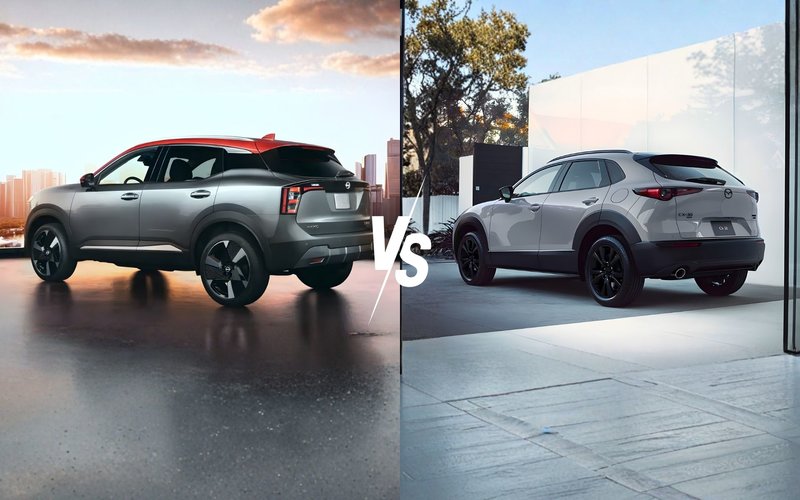
The 2026 Nissan Kicks and Mazda CX-30 represent two very different approaches in the compact SUV segment. One focuses on efficiency, practicality, and urban ease, while the other leans toward a premium feel, stronger performance, and engaging driving dynamics. Choosing between them depends on whether comfort and savings or power and refinement matter more in everyday driving.
Everyday Driving Focus vs Driving Excitement
The Nissan-based option is designed for simplicity and city convenience. It uses a 2.0-litre four-cylinder engine producing around 140 lb-ft of torque and 141 horsepower, paired with an efficient CVT transmission. This setup prioritizes smooth acceleration and fuel savings, making it ideal for daily commuting and tight urban traffic.
On the other hand, the Mazda alternative brings more muscle with its 2.5-litre four-cylinder engine delivering about 186 horsepower and 186 lb-ft of torque, matched with a six-speed automatic transmission. It offers a more responsive, driver-focused feel, especially on highways and winding roads.
Build & Price your own 2026 Nissan Kicks
Fuel Efficiency and Real-World Economy
Fuel economy is one of the biggest deciding factors between these two.
The Nissan option is engineered for maximum efficiency, achieving approximately 6.5–7.4 L/100 km combined, making it one of the most budget-friendly crossovers for fuel savings.
The Mazda model, while more powerful, consumes slightly more fuel at around 7.5–9.6 L/100 km combined, depending on driving conditions and drivetrain configuration.
Interior Space and Practical Comfort
Space is where the differences become very noticeable.
The Nissan-inspired model offers approximately 850 litres of cargo space behind the rear seats, making it one of the most practical choices in its class for groceries, luggage, or daily errands. Its cabin design is simple but functional, with a 12.3-inch infotainment display, easy smartphone integration, and intuitive controls.
The Mazda-focused model prioritizes a more premium cabin feel but sacrifices some practicality, offering around 572 litres of cargo space. It features an 8.8-inch infotainment screen, upscale materials, and a driver-centric layout that feels more refined but slightly tighter in rear space.
Wheels, Design, and Road Presence
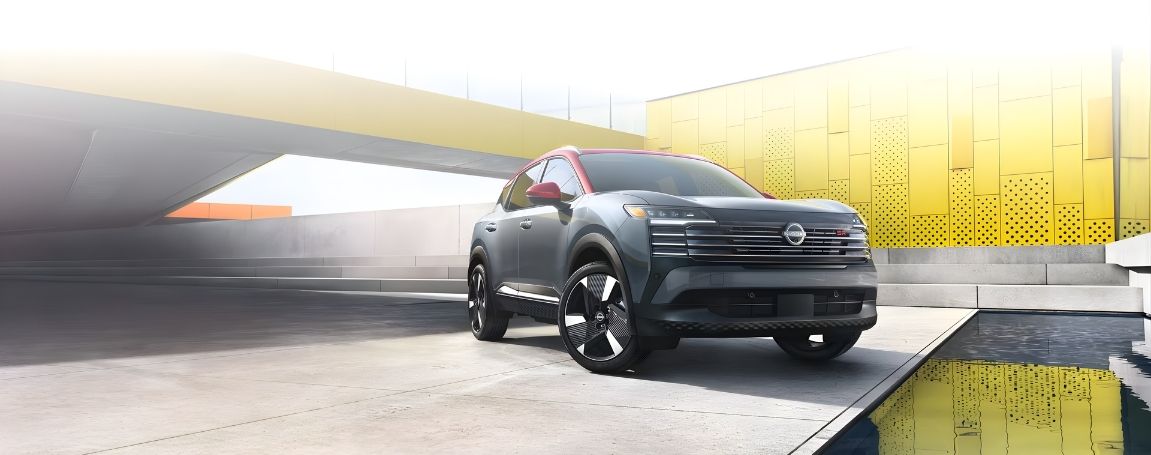
The Nissan-based crossover typically comes with 16 to 19-inch wheels, focusing on comfort and fuel efficiency rather than aggressive styling. Its condensed dimensions make it easy to maneuver in city environments.
The Mazda-inspired model steps up with 16 to 18-inch alloy wheels, giving it a more sporty stance. Its design language is sharper and more premium, appealing to drivers who prefer a sportier appearance.
Technology and Connectivity
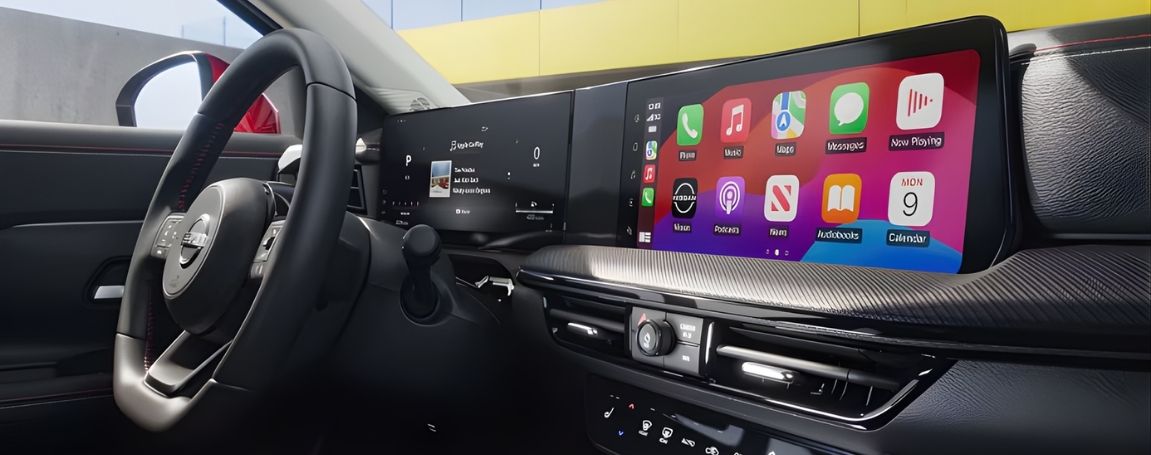
Both models offer modern infotainment and connectivity features, but with different priorities.
The Nissan system emphasizes simplicity, with straightforward touchscreen controls, Apple CarPlay, Android Auto, and available driver information displays designed for ease of use.
The Mazda system leans toward a more premium experience, featuring a rotary controller interface, crisp graphics, and deeper integration with vehicle settings and driving modes.
Safety and Driver Assistance
Safety is strong on both sides, but each brand uses a different approach.
The Nissan-based SUV uses Safety Shield 360, which includes automatic emergency braking, blind-spot warning, rear cross-traffic alert, and lane departure warning.
The Mazda counterpart uses i-Activsense safety technology, offering adaptive cruise control, lane-keep assist, smart brake support, and traffic sign recognition. It also provides a more advanced driving feel with predictive safety adjustments.
Head-to-Head Comparison Overview
|
Feature |
City-Focused Crossover |
Driver-Focused Crossover |
|
Engine |
1.6-litre four-cylinder |
2.5-litre four-cylinder |
|
Horsepower |
122 hp |
191 hp |
|
Torque |
114 lb-ft |
186 lb-ft |
|
Transmission |
CVT |
6-speed automatic |
|
Fuel Economy |
6.5–7.4 L/100 km |
7.5–9.6 L/100 km |
|
Cargo Space |
850 litres |
572 litres |
|
Infotainment Screen |
12.3-inch |
8.8-inch |
|
Wheels |
16–19 inch |
16–18 inch |
|
Safety Suite |
Safety Shield 360 |
i-Activsense |
Which One Fits Your Lifestyle?
If your priority is affordability, fuel savings, and maximum cargo flexibility for city driving, the Nissan-based option is the more practical choice. If you prefer stronger acceleration, a premium cabin feel, and a more engaging drive, the Mazda-inspired SUV stands out.
Both deliver solid reliability, modern tech, and strong safety systems, but they clearly cater to different types of drivers.
Final Thoughts & Local Availability
For drivers in Saskatchewan looking for a compact SUV that matches their lifestyle, both options bring strong value in different ways, one focused on efficiency, the other on performance refinement.
To explore availability, trims, and test drives of the 2026 Nissan Kicks and Mazda CX-30, visit Regina Nissan in Regina and find the compact SUV that best fits your daily drive.
