
Get Your Vehicle Ready for Winter: A Canadian Driver’s Guide
October 19 2026,
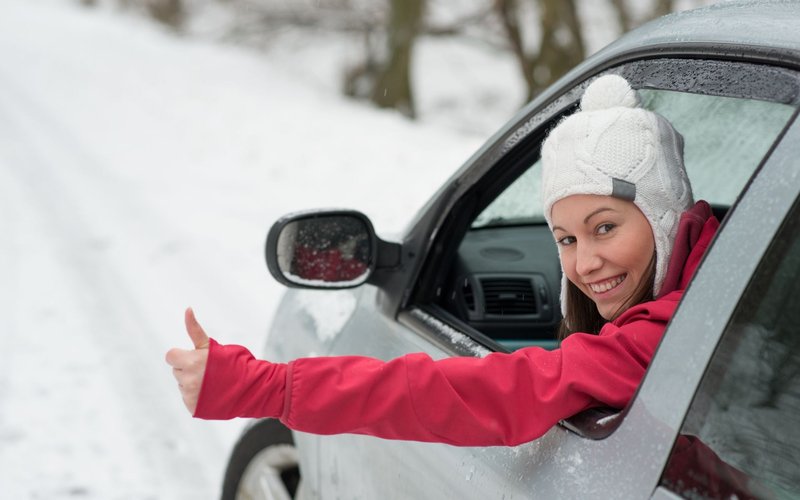
Canadian winters can bring snow, ice, freezing temperatures and rapidly changing road conditions. These conditions can be hard on both drivers and vehicles, making winter preparation an important part of seasonal maintenance.
Getting ready for winter does not simply mean choosing an AWD vehicle. Your tires, battery, brakes, fluids, lights and visibility all play a role in keeping your vehicle prepared for colder months. Whether you drive a Nissan Rogue, Kicks, Pathfinder, Sentra or another model, a few simple checks can make winter driving more manageable.
Start With Winter Tires
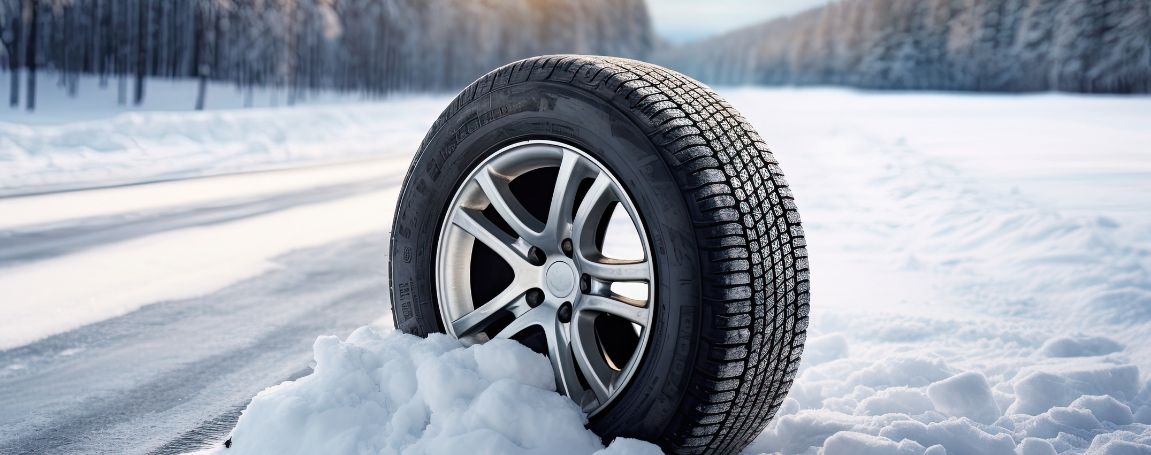
Your tires are your vehicle's direct connection to the road, so they should be one of the first things you check.
Nissan Canada recommends installing winter tires before temperatures consistently fall below 7°C. Winter tires are designed to maintain better grip in cold conditions, and tires carrying the Three-Peak Mountain Snowflake (3PMSF) symbol are certified for severe snow conditions.
Before installation, inspect the tread and sidewalls for excessive wear or damage. Tire pressure should also be checked regularly, since colder temperatures can affect inflation pressure.
Check Your Battery
Cold temperatures can put additional strain on a vehicle's battery. If your vehicle takes longer than usual to start, the lights seem weaker or the battery is several years old, consider having it tested before winter.
A battery check can help identify potential problems before you are dealing with a no-start situation in freezing weather.
For EV owners, winter preparation also means considering the effect of cold temperatures on efficiency and driving range. Keeping the battery adequately charged before longer trips can provide additional peace of mind.
Inspect the Brakes and Suspension
Snow, ice, potholes and rough roads can place additional demands on your vehicle.
Pay attention to warning signs such as unusual brake noises, vibrations, pulling to one side or changes in brake-pedal feel. A seasonal inspection can also identify worn suspension components that may affect handling.
If something feels different when you brake or steer, have it checked rather than waiting for the issue to become more serious.
Keep Your Windshield and Lights Clear
Good visibility is essential during winter. Snow, frost, road salt, rain and slush can quickly make it difficult to see.
Replace windshield wipers if they leave streaks or fail to clear the glass properly. Use washer fluid rated for winter temperatures and keep an ice scraper and snow brush in the vehicle.
Before driving, completely clear snow and ice from the windows, mirrors, headlights, taillights and roof. Also check that your headlights, brake lights and turn signals are working correctly.
Check Your Essential Fluids
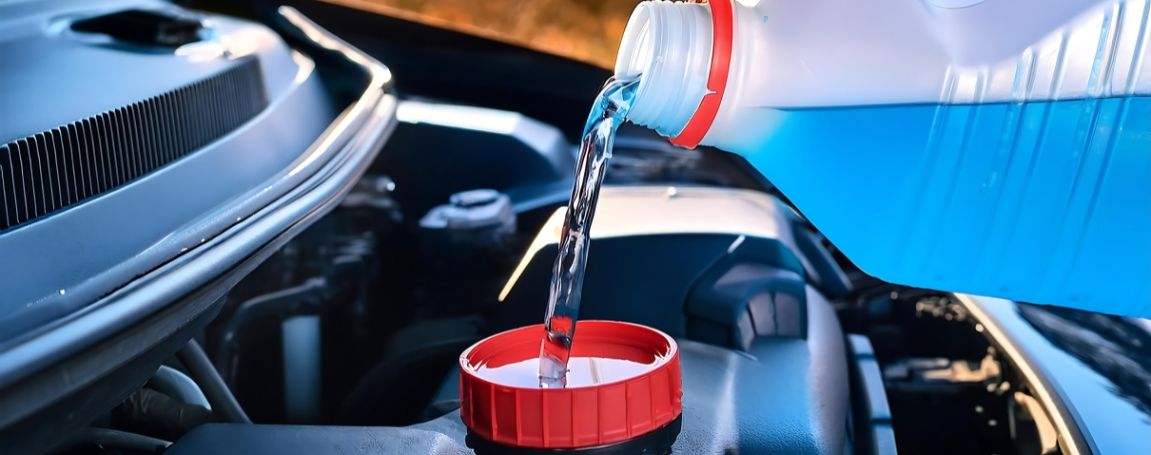
Before winter arrives, check the vehicle's essential fluids according to the manufacturer's recommendations. Engine coolant should provide appropriate protection for freezing conditions, while washer fluid should be suitable for winter temperatures.
Engine oil should also be checked and changed according to the maintenance schedule and specification recommended for your vehicle.
Nissan Canada also offers seasonal maintenance services that can combine routine maintenance with a tire swap.
Keep a Winter Emergency Kit
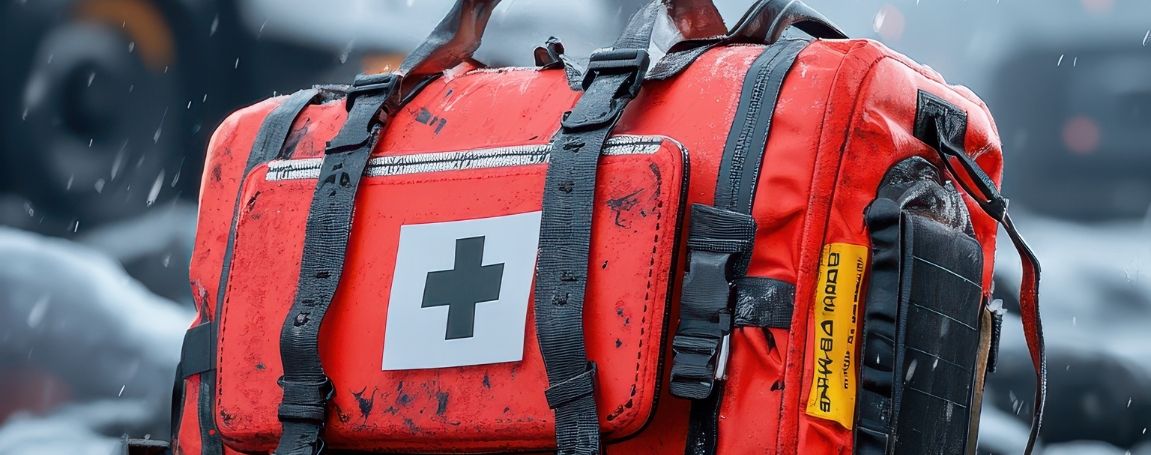
Even a well-maintained vehicle can encounter unexpected problems. A winter emergency kit can provide useful supplies if you become stuck or delayed.
Consider keeping a blanket, warm clothing, gloves, flashlight, first-aid supplies, ice scraper, snow brush, shovel and extra washer fluid in your vehicle. Nissan also recommends checking the weather before travelling and keeping your fuel tank or EV battery adequately charged.
AWD Helps, But Tires Still Matter
All-wheel drive can be useful on snowy or slippery roads by helping distribute power to maintain traction. Nissan offers vehicles with Intelligent All-Wheel Drive and Intelligent 4X4 systems.
However, AWD does not replace winter tires. Your tires remain critical for accelerating, steering and stopping on winter roads.
Adjust Your Driving for Winter Conditions
Winter-ready vehicles still require winter-ready driving habits.
Reduce your speed when roads are slippery and leave more distance between your vehicle and the traffic ahead. Avoid sudden acceleration, hard braking and sharp steering movements. Nissan recommends allowing greater stopping distances and taking extra care on snow and ice.
Before longer trips, check the weather and road conditions. If conditions become unsafe, delaying your journey may be the safest option.
Get Your Nissan Ready for Winter at Regina Nissan
Winter preparation starts before the first major snowfall. From checking your tires and battery to inspecting your brakes, fluids, wipers and lights, taking care of these basics can help prepare your vehicle for the season.
If your Nissan needs a seasonal inspection, tire change or winter maintenance, visit Regina Nissan at 1111 Broad Street in Regina. The team can help you prepare your vehicle for the colder months ahead.
